
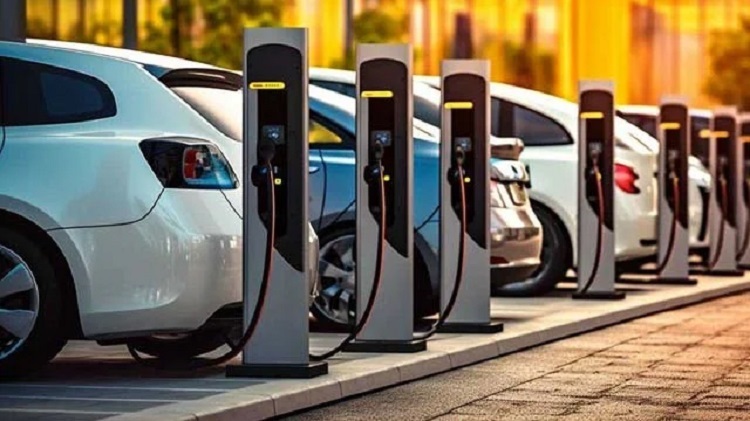
Off-roading is nerve-racking activity that makes you move to the most remote and rugged locations of the planet. Since you drive on the roughest and most difficult roads, it demands a vehicle that can handle the pressure of tough terrain, challenging barriers, and unpredictable weather. For the longest time, gas-powers vehicles have been traditionally used for off-roading. However, the rise of electric vehicles is beginning to make an impact in the off-road experience.
As the world increasingly moves towards more sustainable practices, transport sector has a great role in reducing carbon emissions. To support the sustainable goals of environmental friendly practices, the transport industry have designed electric vehicle to help the world shift towards cleaner and greener alternatives. Although many people thing electric vehicles are designed for tarmacked road but they are also designed to function perfectly in rough roads, making them the best option in various industries including construction, sports, transport, and agriculture. In this blog, we will compare the gas-powered and electric vehicles and determine which one is better for off-roading. We will see which one is more popular and which one has a promising future of off-roading.
Cost
When it comes to a utility vehicle, cost is a crucial factor that influences decision-making. Electric off-road vehicles have higher initial cost when compared to a gasoline off-road vehicle. Nonetheless, electric vehicle has lower operating costs making it a better option for long-term savings. It requires less maintenance since it has fewer moving parts, thus reduced repair and service costs. The cost of electricity is also cheaper and more stable compared to the fluctuating cost of gasoline. Governments have also supported the use of electric vehicles by offering incentives to businesses desiring to switch.
On the other hand, gas-powered vehicles have lower upfront cost, which makes it more affordable and accessible to businesses that are budget conscious. Nonetheless, the overall operating cost of the machine is higher since it requires frequent maintenance. The unpredictability cost of gasoline also increases operating cost, offsetting the initial savings.
Performance
For anyone who understands about motor vehicles, they know that performance is a major consideration when making a purchase as it influences its effectiveness and efficiency in different terrains, especially if it is for off-road drives. Traditionally, gas-powered vehicles have preferred due to their robust performance and high power output.
However, the rise of electric off-road motors has overtaken due to their lighter off-road parts and high performance. Their ability to deliver instant torque allows them to provide quick acceleration and responsive performance making them the best off-road vehicles to concur muddy tracks, steep hills, and rocky terrains. The batter technology continues to advance and this makes the electric vehicles more powerful able to match and even surpass their gasoline enables counterparts. They offer smother driving experience, enhancingoperator’s support and minimizing discomfort and fatigue during long drives. In addition, off-road electric vehicles have a quitter engine and operate smoothly than gas-powered vehicles which are noisy. This makes off-road electric vehicle the best option to explore the outdoor environments without disturbing the wildlife and the quite nature of forests or individual residents.
Sustainability
In today’s world, sustainability has become crucial and all industries are striving to be sustainable. Of-road electric vehicles are more sustainable compared to gas-powered vehicles. The fact that they produce zero emissions that can harm the nature makes them environmental friendly. They also use renewable energy sources including solar and wind thus minimizing negative environmental impact.
However, there have been concerns about production and disposal of batteries and their environmental impacts. The good thing is that with technological advancements in battery production, the concerns are steadily being addressed. The manufacturersare making more sustainable and recyclable materials to reduce the environmental impacts. The lifecycle impact of electric vehicles will continue to reduce, making them the greener alternatives.
On the other hand, gas-powered off-road vehicles emit harmful gases like carbon dioxide. These pollutants do not only affect the wildlife but also contributes to global gas warming affecting the entire ecosystem. Their reliability on renewable energy sources like oil which is becoming scarce makes it hard to use them for off-road activities.
Technological Advancements
There is rapid advancement in designs of electric vehicles, narrowing the gap between gas-powered and electric off-road vehicles. It is clear that battery technology continues to advance leading to longer driving ranges and making them more reliable in off0r-ad drives. The advancements have handled the main concerns making them efficient and practical for numerous applications. Additionally, integrating smart technology in production of electric vehicles increases their efficiency and functionality. Integration of features like automatic transmission, remote monitoring and real-time diagnostic improves fleet management and reduce downtime management.
Operational Considerations
When matching gas-powered and electric vehicles, it is important to determine the unique operational needs. Are you purchasing a vehicle for highway usage or off-road usage? While gas-powered vehicles have been favored traditionally for long-distance and off-road travel, electric vehicles are gaining popularity in off-road activities as more sustainable batteries capable of working for long hours have been designed.
Electric or Gas-Powered Off-Road Vehicles: Which is the Future?
From the above discussion, it goes without questioning that electric off-road vehicles have a promising future. The market is transitioning from gas-powered to electric vehicles making it even more possible for them to be used in off-road activities. Electric off-road vehicles have numerous advantages over gas-powered vehicles. They are environmentally friendly, with zero emissions, making them the best alternative for nature and off-road drives. They don’t make noise thus they don’t disturb the wildlife. They offer infant torque making them ideal for concurring rough terrains and steep hills. They havinglower center of gravity, reducing the possibility of rolling over uneven terrain. Finally, lack of combustion engine makes them less vulnerable to flooding and water damage. With all these advantages, electric off-road vehicles seem to be taking over and will continue to reign in future.
In conclusion, off-road drives are tough since they involve driving on unstable, rough, hilly, and unpredictable roads. This means that the vehicle used must be able to withstand all these obstacles. Although gas-powered off-road vehicles have dominated for long, electric off-road vehicles are taking over. Technological advancements continue to improve designs and performance of electric vehicle production. Production or sustainable batteries and lighter parts make them the best for off-road drives. The future of electric off-road vehicles is promising better and reliable designs and models continue to me manufactured.
For more interesting posts visit my blog.
 driveonline.car.blog